Thirty Three Jones | Desktop Site
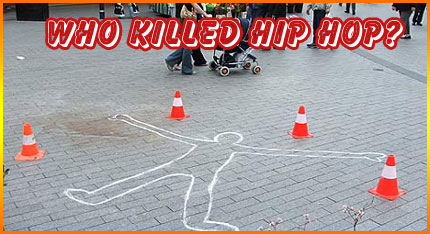
Though the idea has been around for a few years, it wasn't until 2006 that people really started jumping on the "Hip Hop Is Dead" bandwagon. I don't buy into it, of course -- as long as there's one kid out there with a pen, a pad of paper and a beat tape, hip hop will never die -- but this was certainly not a good year for hip hop. Were hip hop to actually die in 2006, these would be my top 10 suspects behind the murder:
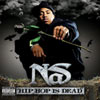
Nas
Simply by naming his album Hip Hop Is Dead, Nas gave legitimacy to the concept that hip hop was, in fact, dead. Though the lyrics on the album went to great lengths to disprove the idea, many will only remember the title of the album itself.

Conscious rappers
There are a number of mainstream rappers out there who have embraced the label of "conscious rapper," but what did they do for hip hop in 2006? Common did an ad for Gap, Lupe's breakthrough song was about skateboarding, The Coup put out an album that was almost entirely ignored and Phonte spent the summer offending female rappers and fans alike. The only significant political act was Mos Def's Katrina protest at the MTV awards and that seemed like a publicity stunt in advance of his album release. Its not like there weren't enough subjects to speak out on this year, either. The Sean Bell shooting, the ongoing war in Iraq, the current administration's continued assault on civil liberties, the grandmother in Atlanta shot up by police...the list goes on and on, and yet there was very little to be heard from the so-called conscious rappers. There's a whole lot more to hip hop than violence and materialism, but this group did little to disprove that notion in 2006.
Celebrity Rappers
Whether it was Kevin Federline, Flavor Flav, Ron Artest or any other celebrity "rapper" using their status as a gimmick to sell records, they all played a role in the death of hip hop. No, none of these albums sold well, but they did give legitimacy to the idea that, if you have enough money, you can buy your way into hip hop. Back in the day, there was a barrier to entry into the world of hip hop, but these days actual skills matter less than the gimmick you can come up with to promote your album.

Jacob the Jeweler
You'd think a man who never held a mic in his life couldn't do much to hurt hip hop, but you'd be wrong. As Africans continued to slaughter themselves over diamonds, Jacob went on peddling his overpriced jewelry to the hip hop demographic. Not satisfied with the money he was raking in from his diamond sales, Jacob also became involved with the Black Mafia Family's drug ring, a group with ties to Young Jeezy. Though his impact on the genre was lessened by his arrest in the summer of 2006, Jacob's representation of violence, drugs and avarice, the three stereotypes that the mainstream media continues to associate with rap, helped soften up hip hop for its killing blow.
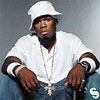
50 Cent
He didn't put out an official album this year, though he did jack Nas' album title for his own mixtape, but 50 Cent continued to have a huge influence hip hop in 2006. Almost every major rap release this year, from Ludacris to Jim Jones to Jeezy to Lil Wayne to The Game to Nas, saw a string of diss records released in advance of it. The focus has been more on the beefs surrounding rappers than the actual music that they are putting out. You can thank 50 Cent, who made his name off of diss records like Wanksta and Piggy Bank, for setting the precedent on that.

Atlantic Records
Touted as a conscious rapper with the mainstream appeal of more commercial acts, Lupe Fiasco could have been a fresh new face capable of reviving the genre. Thanks to his record label and their team of attorneys, who were responsible for pushing back his album release when demand was at its highest, squashing much of his internet buzz by threatening YouTube and various blogs with legal action and giving the green light to an album cover that was suspect at best, Lupe is still struggling to go gold months after his debut.
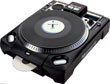
Numark, Serato and every other turntable company that went digital
I know the progress of technology is inevitable, and I'm guilty of buying a digital turntable myself, but the major turntable manufacturers' decision to promote digital over analog is threatening to kill off one of the staples of hip hop: vinyl records. As records stores continue to close, including the legendary Beat Street Records in 2006, a small piece of hip hop dies with them. Without these stores, the concept of crate digging will become obsolete, and can you imagine hip hop without that?
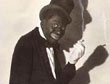
Minstrel Rappers
Whether it was Jibbs stealing ideas from little girls and old minstrel songs, Webstar and Young B promoting a song and dance that harkened back to the days of blackface, or Ms. Peachez ode to fried chicken, Minstrel rappers put a black eye on the game in 2006.

The gun industry and Tony Yayo
Directly responsible for the deaths of Proof, Hawk, Philant Johnson and (in Yayo's case) Israel Ramirez, not to mention various other acts of violence that have arisen at hip hop venues. By taking the lives of several members of the hip hop community, as well as bringing a significant amount of negative press to the music, the gun industry and Tony Yayo have both played a major role in the very literal death of hip hop.

You
I hate to jack ideas from Time Magazine and Rolling Stone, but, yes, You are the prime suspect in the murder of hip hop. By supporting talentless acts like D4L (yeah, even just by buying that damn Laffy Taffy ringtone), purchasing the hip hop gossip magazines that promote the beefs between hip hop acts, buying into the rampant materialism that rap has been infected with and failing to buy the cds of quality acts like The Roots while downloading pirated copies of the best albums of 2006, You may have put the final nail in the coffin. I, of course, include myself in that group.
Since we're on the subject, head on over to Notes From a Different Kitchen and listen to Skillz' Hip Hop Died?
12/28/2006 8:17:07 AM posted by Fresh